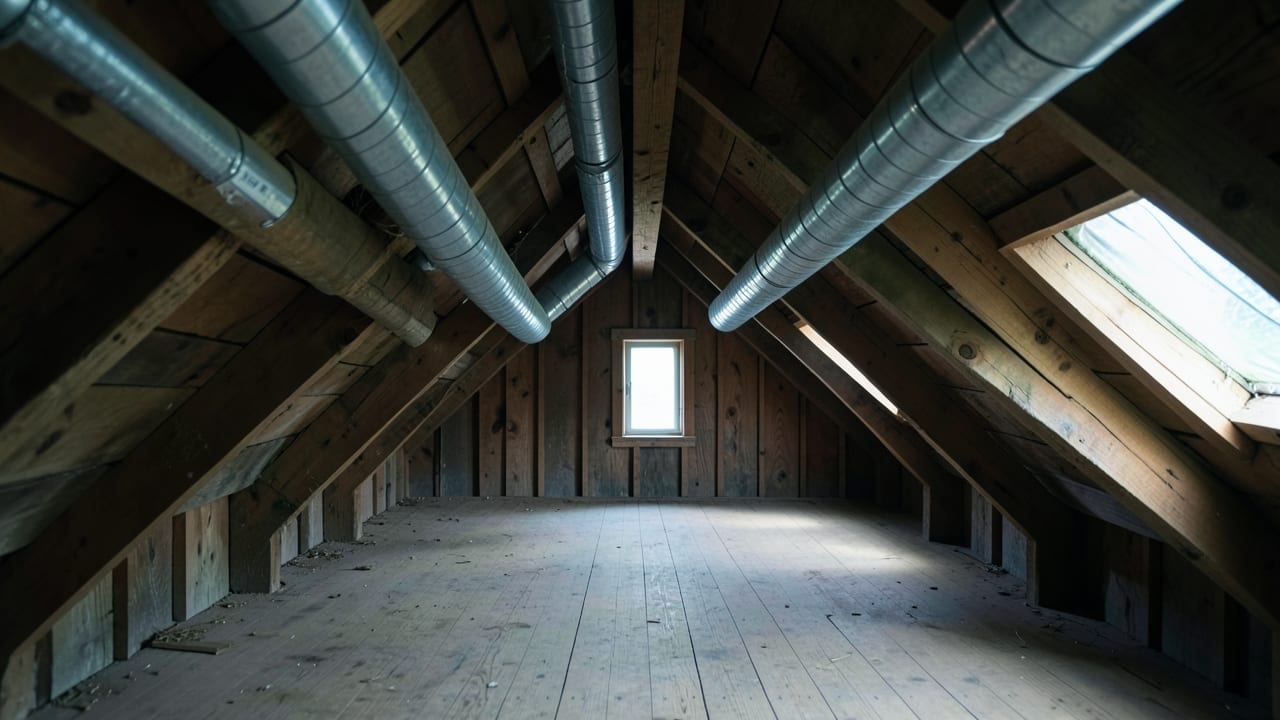
Salt Air Corrosion Duct Treatment
Application of protective treatment to air ducts to prevent salt air corrosion in coastal areas.
Living near coastal areas like LaGrange, GA, exposes your HVAC ductwork to salty, humid air that accelerates corrosion and buildup. Salt Air Corrosion Duct Treatment applies a protective coating to shield ducts from rust and deterioration, improving airflow and system efficiency over time.
This targeted service helps prevent long-term damage caused by marine environments, ensuring cleaner air and a more reliable HVAC system.
We also handle Indoor Air Quality Testing and Commercial Duct Cleaning for LaGrange properties.
Why salt air corrosion affects your ducts
Salt air from nearby coastal regions reacts with metal ductwork, accelerating rust and weakening structural integrity. Over time, this corrosion reduces airflow efficiency, increases energy costs, and can even lead to system failures. LaGrange’s proximity to salt-laden winds makes homes particularly vulnerable without protective treatment.
Unlike standard duct cleaning, this service focuses on preventing future damage by sealing ducts with a corrosion-resistant coating. While cleaning removes existing dust and debris, the coating helps extend the lifespan of your ducts, reducing the need for frequent maintenance.
Signs your ducts need treatment
Salt air corrosion often goes unnoticed until it impacts airflow or air quality. Watch for visible rust at duct seams, dust puffs when the HVAC first turns on, or uneven dust buildup in certain rooms—all signs that corrosion may be weakening your system.
A musty smell while the system runs, but not when it’s off, can also indicate microbial growth thriving in damp, corroded ducts.
If dust resettles unusually fast in specific areas, it may mean debris is being actively pushed through those vents. A gray film on register grilles that reappears quickly after cleaning is another direct clue that corrosion or buildup is occurring just inside the ductwork.
Red Flags for Salt Air Corrosion
- Dust puffs or visible debris when the HVAC first kicks on
- Uneven dust accumulation in certain rooms (worse near vents)
- Musty or stale odors *only* when the system is running
- Rust or flaking at duct seams or connection points
- Drywall stains or water damage near duct runs (sign of leaks from corroded sections)
What affects pricing and timing?
Pricing for salt air corrosion duct treatment depends on duct material, home size, and system complexity. Metal ducts require more protective coating than flexible ones, and larger homes with extensive duct runs may cost more.
Timing isn’t fixed—some homes need treatment every 2–3 years, while others stretch it to 5 years, depending on exposure and maintenance habits.
Regular air filter changes (every 1–3 months) and sealing duct gaps prevent new dust from entering the system, which can delay the need for repeated treatments. However, coastal homes may require more frequent checks due to higher corrosion risk.
| Factor | Impact on Pricing/Timing |
|---|---|
| Duct material (metal vs. flex) | Metal ducts cost more to treat due to corrosion risks |
| Home size (sq. ft.) | Larger homes may require longer treatment times |
| Duct age and rust severity | Heavily corroded ducts need extra prep work |
| Accessibility (attic/crawl space vs. finished spaces) | Hard-to-reach ducts increase labor time |
| Coating type (standard vs. premium) | Higher-end coatings may extend protection between treatments |
How salt air corrosion duct treatment works
- 1Inspection and Assessment
A camera or mirror inspection checks for rust, debris buildup, and biological growth in supply and return ducts. This step identifies problem areas before cleaning begins, ensuring targeted treatment.
- 2Sealing and Containment
Non-active registers are sealed, and a negative-pressure unit is connected to the system. This pulls dislodged dust into a HEPA-filtered collector instead of blowing it into living spaces during cleaning.
- 3Mechanical Agitation and Cleaning
Rotary brushes or compressed-air whips loosen compacted dust from duct walls. A HEPA vacuum then extracts the debris, preventing fine particles from re-entering the airstream.
- 4Coating Application
A corrosion-resistant coating is applied to metal ducts to shield them from salt air damage. This step is critical for preventing future rust and extending duct lifespan.
- 5Airflow Verification
After reassembly, airflow is checked at multiple registers to confirm improvements. This ensures the cleaning and coating didn’t just move dust around but actually restored efficiency.
Frequently asked questions
How do I know if my ducts need salt air corrosion treatment instead of regular cleaning?
Look for rust at duct seams, uneven dust buildup, or musty smells when the HVAC runs. If your home is near coastal areas or you’ve noticed corrosion in metal parts, treatment may be more effective than cleaning alone.
Will this treatment stop dust from coming back so quickly after cleaning?
The coating helps slow corrosion and reduce long-term buildup, but dust will still accumulate over time. Changing air filters regularly and sealing duct gaps are key to keeping dust levels down between treatments.
Can I do anything to protect my ducts between treatments?
Yes—seal visible duct gaps, change filters every 1–3 months, and keep registers clean. These steps reduce how much new debris enters the system, which can extend the time between professional treatments.
What’s the difference between this service and standard duct cleaning?
Standard cleaning removes dust and debris, while salt air corrosion treatment adds a protective coating to prevent rust and deterioration. Coastal homes benefit more from the extra protection.
Where LaGrange sits, and what the Census lists nearby
LaGrange sits in Georgia, and the closest places listed in the U.S. Census Gazetteer are West Point (10.7 miles southwest), Standing Rock, AL (12.4 miles west), Hogansville (12.5 miles northeast), Glenn (13.2 miles northwest). Within 25 miles of LaGrange the same source lists 25 distinct incorporated places and census-designated places.
Those figures matter for salt air corrosion duct treatment because they are straight-line distances between Census coordinate points: road mileage between LaGrange and West Point runs longer than the 10.7 miles shown, which is why quotes for the same job differ between towns that look close together on a map.
Source: U.S. Census Bureau Gazetteer.
See Pine Mountain, GA for more, or take a look at every option available in LaGrange by service type for our complete lineup.
Ready to get started?
Talk to a local air duct cleaning pro in LaGrange — get a written quote.
Other Air Duct Cleaning Services in LaGrange

Indoor Air Quality Testing in LaGrange, GA
Indoor air quality testing in LaGrange, GA measures particulate levels, humidity, and allergens to identify what a home's HVAC system is actually circulating.
Learn More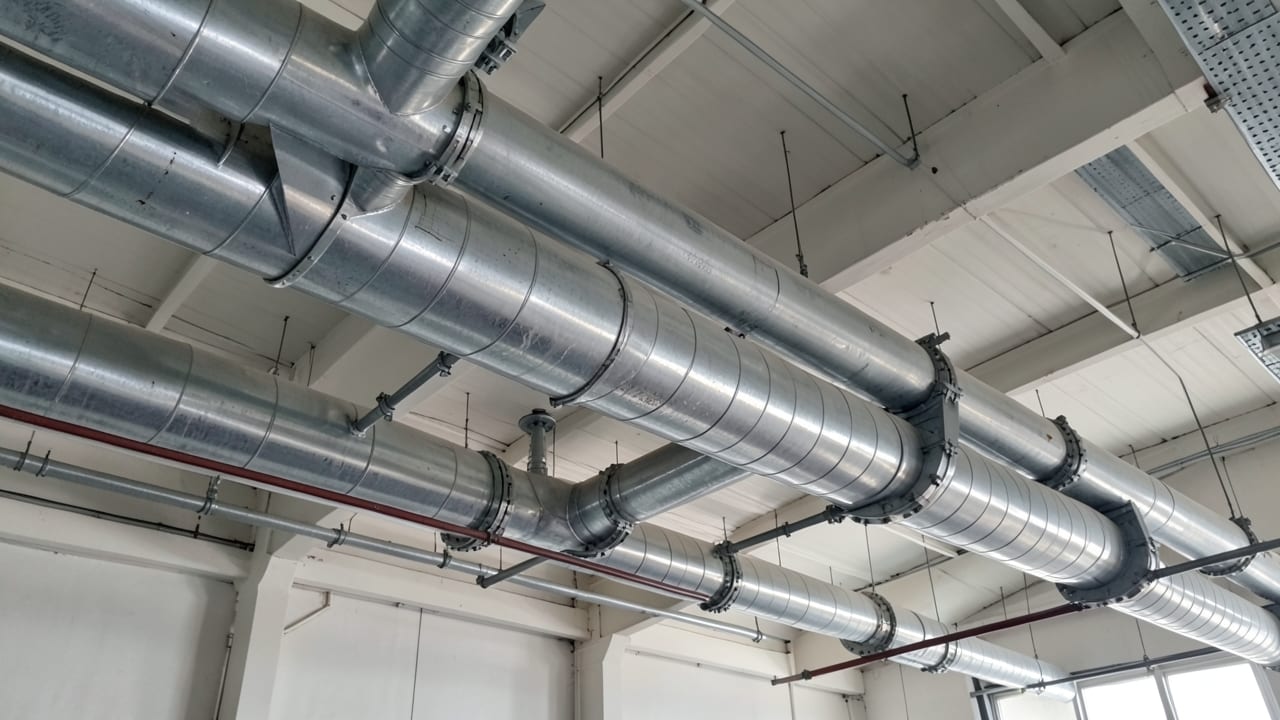
Commercial Duct Cleaning in LaGrange, GA
Commercial HVAC duct and rooftop unit cleaning in LaGrange, GA for offices, restaurants, and retail properties.
Learn More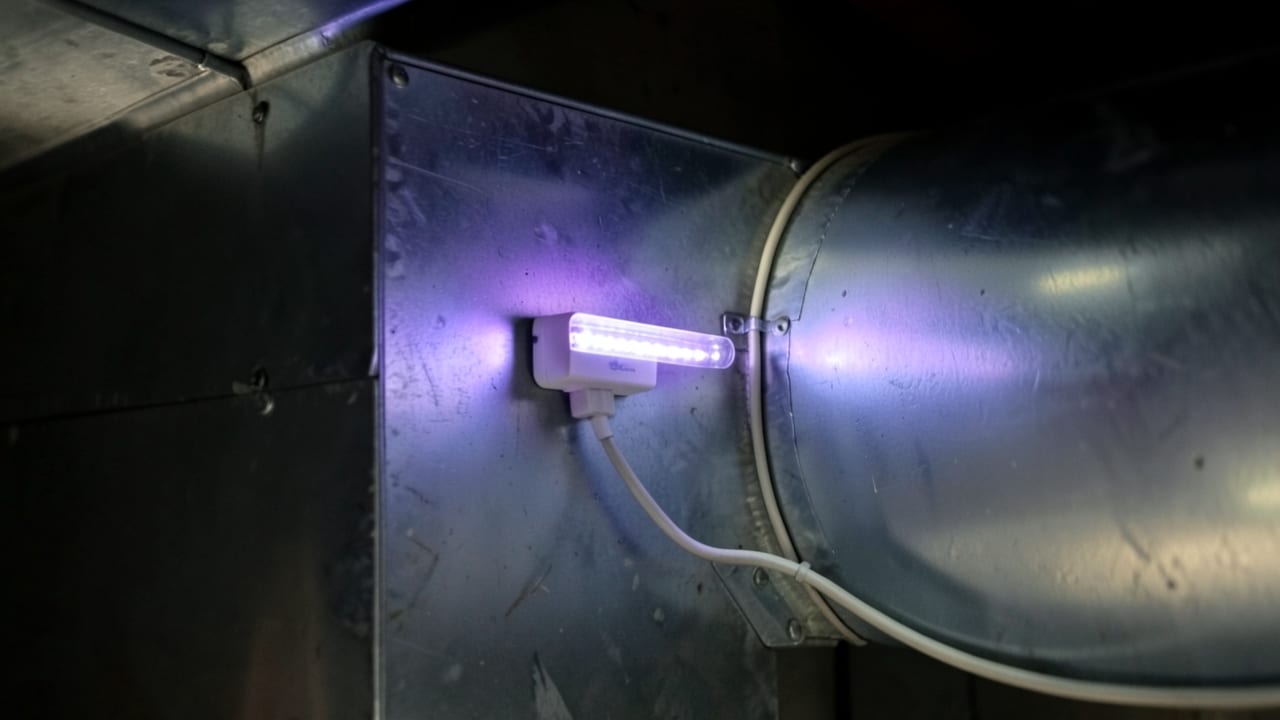
UV Light & Sanitization Treatment in LaGrange, GA
UV-C light installation and duct sanitization treatment in LaGrange, GA — an ongoing defense against microbial growth on the evaporator coil.
Learn More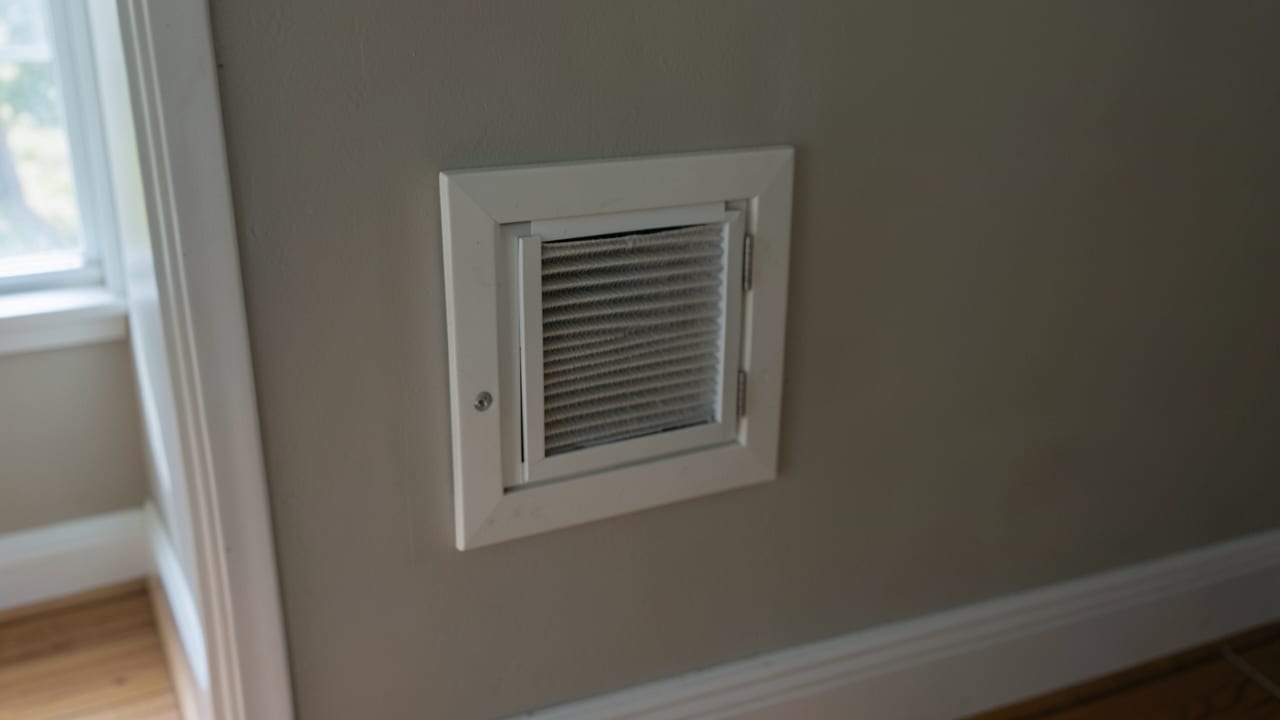
Air Filter Replacement in LaGrange, GA
Air filter replacement and MERV-rating guidance in LaGrange, GA, matched to household needs and system airflow limits.
Learn More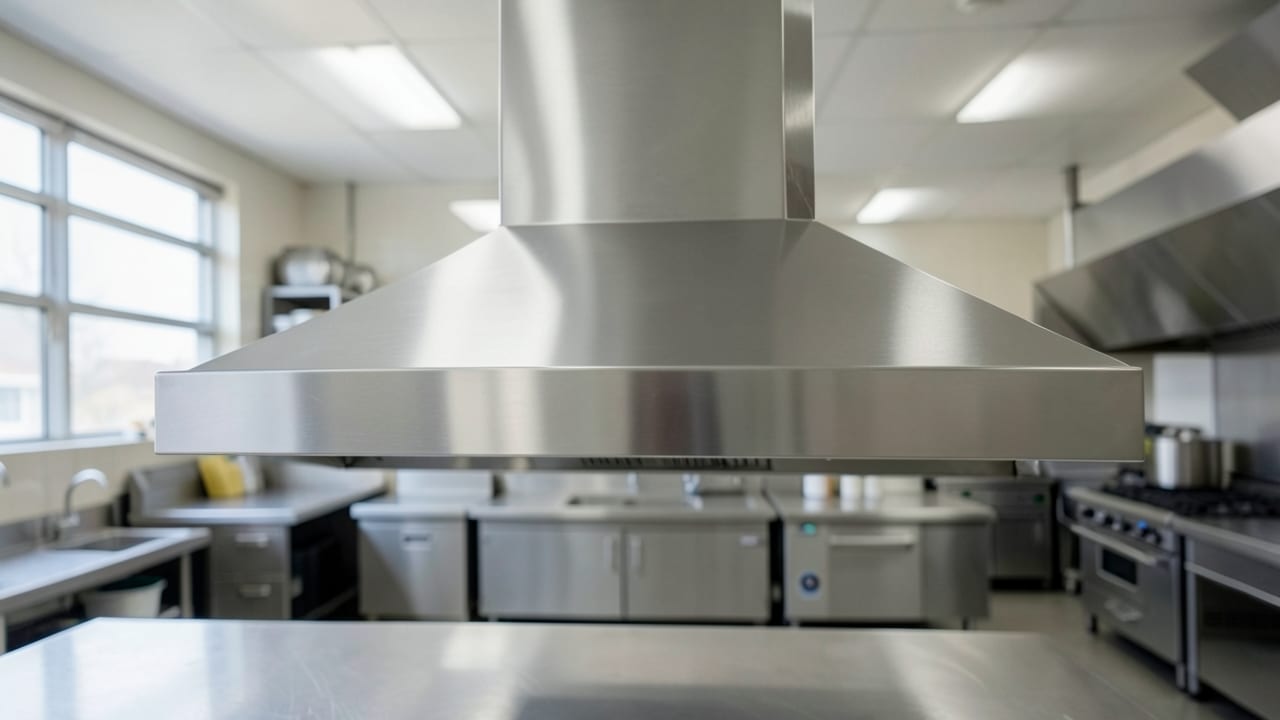
Kitchen Exhaust Hood Cleaning in LaGrange, GA
Commercial and residential kitchen exhaust hood cleaning in LaGrange, GA — removes grease buildup from hoods, filters, and ductwork.
Learn More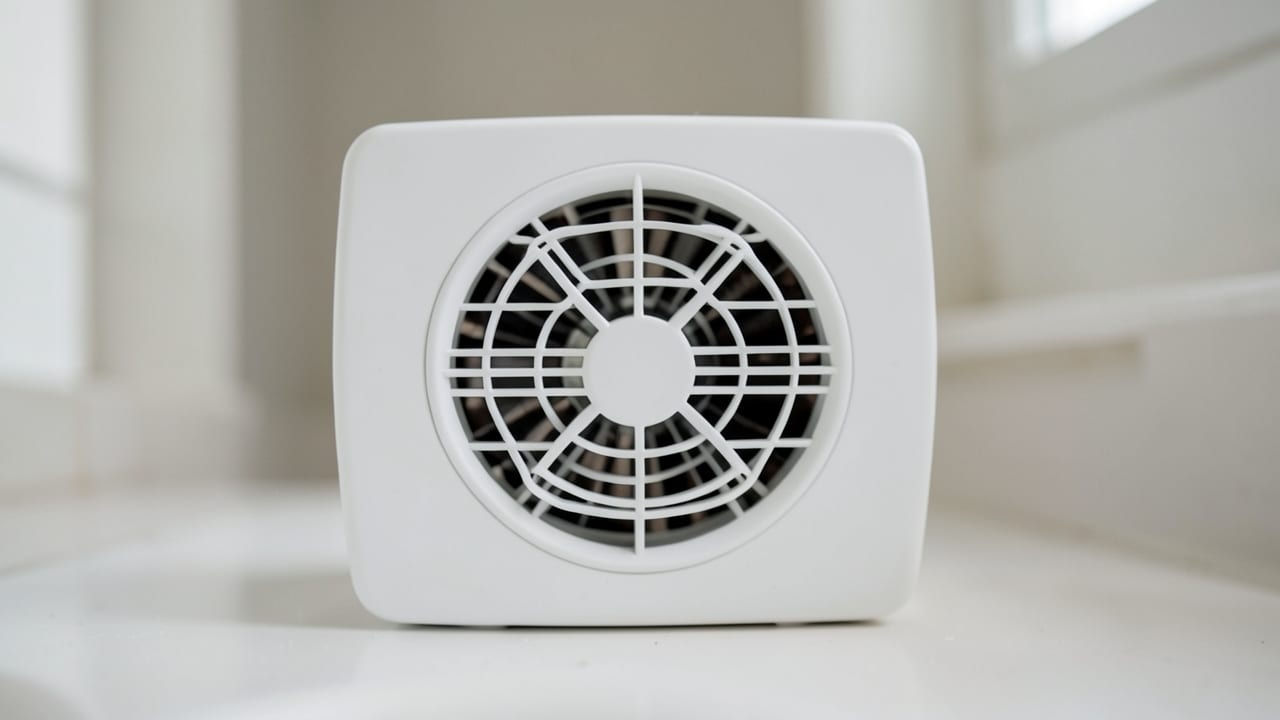
Bathroom Exhaust Fan Cleaning in LaGrange, GA
Bathroom exhaust fan cleaning in LaGrange, GA clears dust and lint from the fan housing and vent run, restoring proper airflow.
Learn MoreCommon Questions About Air Duct Cleaning in LaGrange
Everything you need to know about air duct cleaning services in LaGrange
How much does Salt Air Corrosion Duct Treatment typically cost in LaGrange, GA?
Does seasonal pollen make duct cleaning more relevant in LaGrange, GA?
Can duct cleaning damage older or fragile ductwork?
Does duct cleaning include the coils and blower compartment, or only the ducts themselves?
What's the real difference between flat-rate and per-vent air duct pricing?
How often should air ducts actually be cleaned?
Need Air Duct Cleaning in LaGrange?
Get a written quote from our LaGrange crew.
⏰ We answer your call • Serving all of LaGrange and surrounding areas