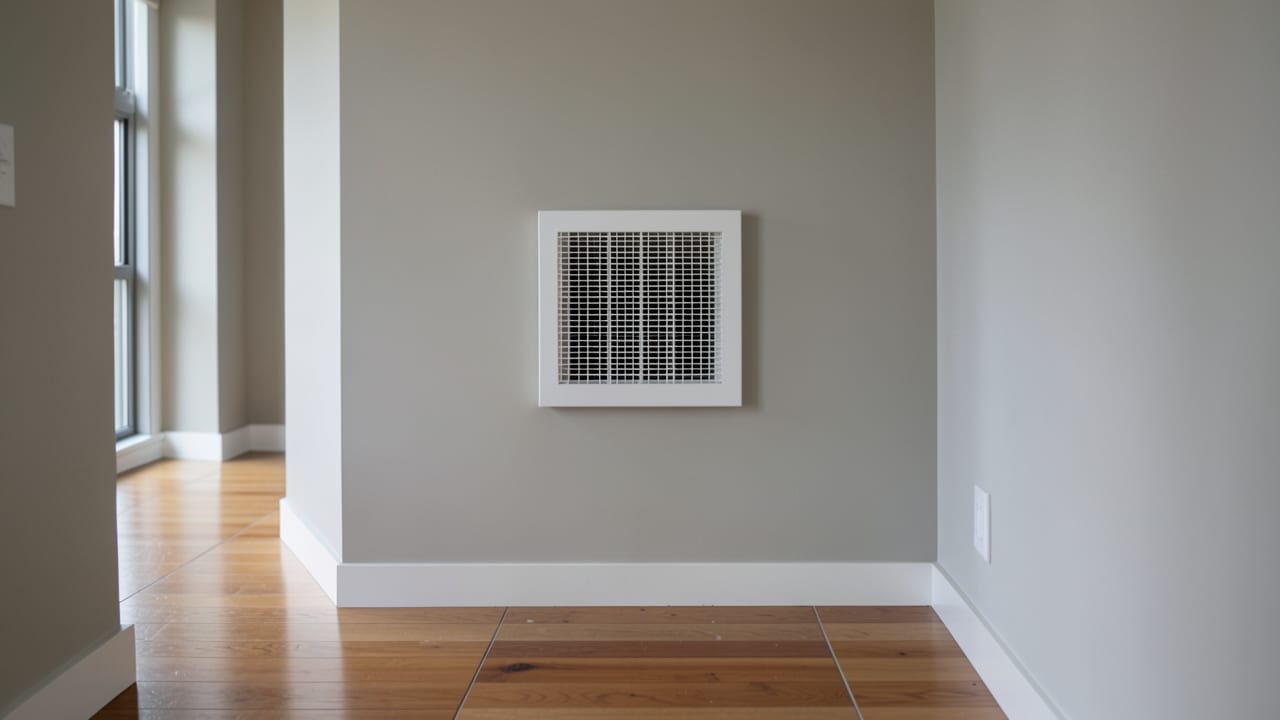
Return Vent Cleaning
Professional cleaning of return vents to improve HVAC airflow and indoor air quality.
Return vent cleaning in LaGrange, GA targets the intake vents of your HVAC system, where dust, debris, and allergens accumulate over time. This service helps improve airflow and air quality by removing built-up contaminants from the return ducts before they circulate through your home.
Regular maintenance can reduce strain on your system and create a healthier living environment.
We also handle Commercial Duct Cleaning and UV Light & Sanitization Treatment for LaGrange properties.
Why return vent cleaning matters
Return vents pull air into your HVAC system, so dust, pet dander, and other particles collect inside them over time. If left unchecked, this buildup can reduce efficiency, force your system to work harder, and spread allergens throughout your home.
A thorough cleaning targets these intake points to restore proper airflow and reduce indoor air pollution.
Signs that your return vents may need attention include visible dust near supply vents after the system runs, a musty smell when the HVAC is active, or rooms collecting dust faster than others. These clues suggest debris is being actively pushed through the ducts rather than settling naturally.
Signs Your Return Vents Need Cleaning
- A puff of dust appears when the HVAC first turns on, especially near supply vents.
- Dust resettles on furniture within days of cleaning, particularly near vents.
- A stale or musty odor is noticeable only when the system is running.
- One or more rooms accumulate dust visibly faster than others in the same house.
- A fine gray film or buildup appears on return grilles and reappears quickly after wiping.
What affects pricing and timing
Pricing for return vent cleaning depends on the number of vents, the level of buildup, and the method used. Return vents are typically larger and hold more debris than supply vents, which can influence the cost.
Timing between cleanings varies widely—some households benefit from annual maintenance, while others may go longer if dust sources are controlled.
Factors like pet shedding, household activity, and air filter changes play a bigger role in how quickly ducts recontaminate than the cleaning itself. A clogged filter, for example, forces more dust into the system between cleanings, while sealed duct connections reduce new buildup.
Common mistakes to avoid
Skipping the inspection step can leave hidden issues untreated, while failing to seal off unused registers during cleaning lets dislodged dust spread into living spaces. Overlooking flexible duct sections risks disconnecting joints during agitation, causing conditioned air to leak into walls or attics instead of circulating properly.
Applying moisture-based treatments without proper drying can create conditions for mold growth inside the ducts. Always confirm whether a quote includes a full-system clean or just visible vents, as partial cleaning may not address deeper buildup.
Dust escaping through open registers during cleaning spreads the exact material you’re trying to remove. Flexible duct sections can disconnect under agitation if not handled carefully, redirecting airflow into walls. Moisture treatments left undried may promote mold growth inside ducts.
How return vent cleaning works
A professional service follows a structured process to safely and effectively clean return vents.
- 1System Inspection
A camera or mirror inspection checks supply and return runs for concentrated dust, debris, or biological growth before any cleaning equipment is deployed.
- 2Register Sealing and Setup
Non-working registers are sealed, and a negative-pressure collection unit is connected to pull dislodged dust into a HEPA-filtered system instead of releasing it into the home.
- 3Mechanical Agitation
Rotary brushes or compressed-air whips agitate duct walls to loosen compacted dust, which suction alone cannot remove.
- 4HEPA Extraction and Register Cleaning
Dislodged material is vacuumed into a HEPA-filtered collector, and each register, grille, and diffuser is cleaned separately to remove surface buildup.
- 5Airflow Verification
After reassembly, airflow is checked at multiple registers to confirm improvements in circulation compared to pre-cleaning levels.
Frequently asked questions
How do I know if my return vents need cleaning?
Look for dust puffs when the HVAC starts, musty smells while the system runs, or rooms that collect dust faster than others. These signs suggest debris is being pushed through the ducts rather than settling naturally.
Will cleaning my return vents improve my air quality?
Yes, but results depend on the level of buildup and how well dust sources are controlled afterward. A thorough cleaning removes accumulated contaminants, but ongoing maintenance—like changing filters and sealing gaps—helps maintain cleaner air.
How often should return vents be cleaned?
There’s no one-size-fits-all answer—some households need annual cleaning, while others may go longer if dust sources are minimized. Factors like pets, allergies, and filter changes influence the timing.
Does the cleaning include the main ductwork or just the vents?
Ask for clarity on the scope: some services clean only visible vents, while others cover main trunk lines and HVAC components. A full-system approach typically removes more debris than vent-only cleaning.
Where LaGrange sits, and what the Census lists nearby
LaGrange sits in Georgia, and the closest places listed in the U.S. Census Gazetteer are West Point (10.7 miles southwest), Standing Rock, AL (12.4 miles west), Hogansville (12.5 miles northeast), Glenn (13.2 miles northwest). Within 25 miles of LaGrange the same source lists 25 distinct incorporated places and census-designated places.
Those figures matter for return vent cleaning because they are straight-line distances between Census coordinate points: road mileage between LaGrange and West Point runs longer than the 10.7 miles shown, which is why quotes for the same job differ between towns that look close together on a map.
Source: U.S. Census Bureau Gazetteer.
See Hogansville, GA for more, or take a look at how our LaGrange crew can help before booking for our complete lineup.
Ready to get started?
Talk to a local air duct cleaning pro in LaGrange — get a written quote.
Other Air Duct Cleaning Services in LaGrange
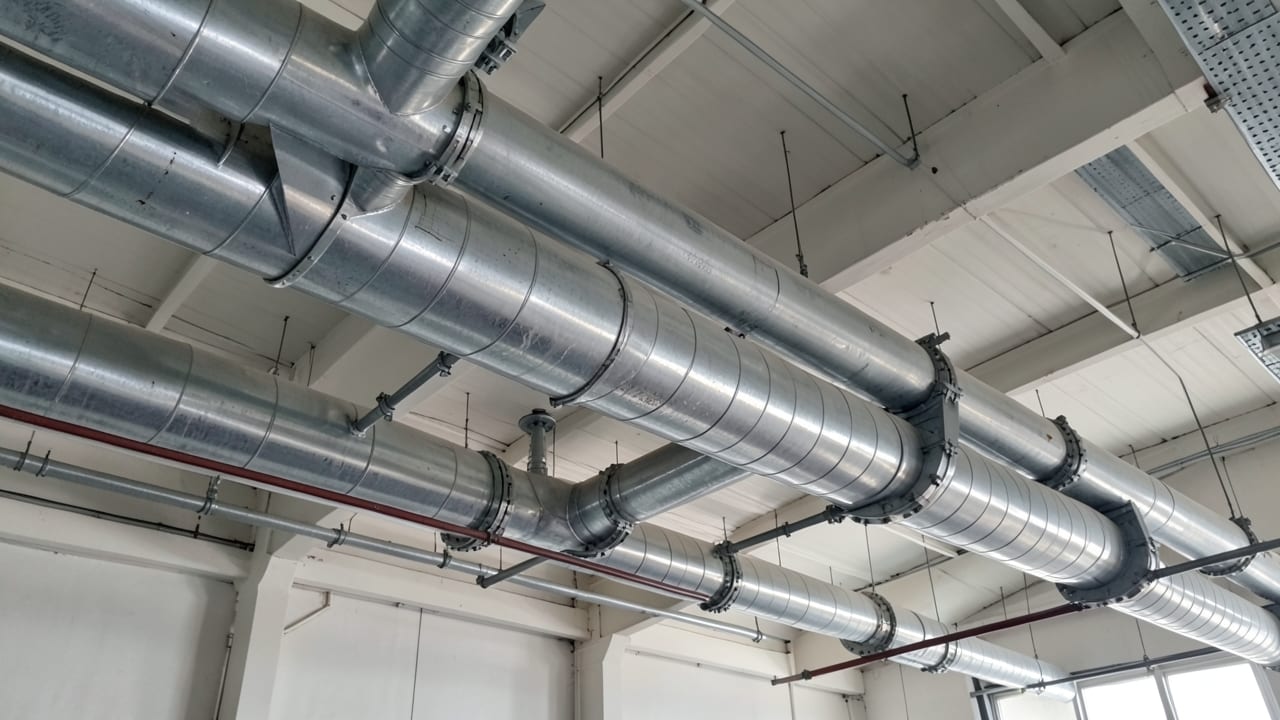
Commercial Duct Cleaning in LaGrange, GA
Commercial HVAC duct and rooftop unit cleaning in LaGrange, GA for offices, restaurants, and retail properties.
Learn More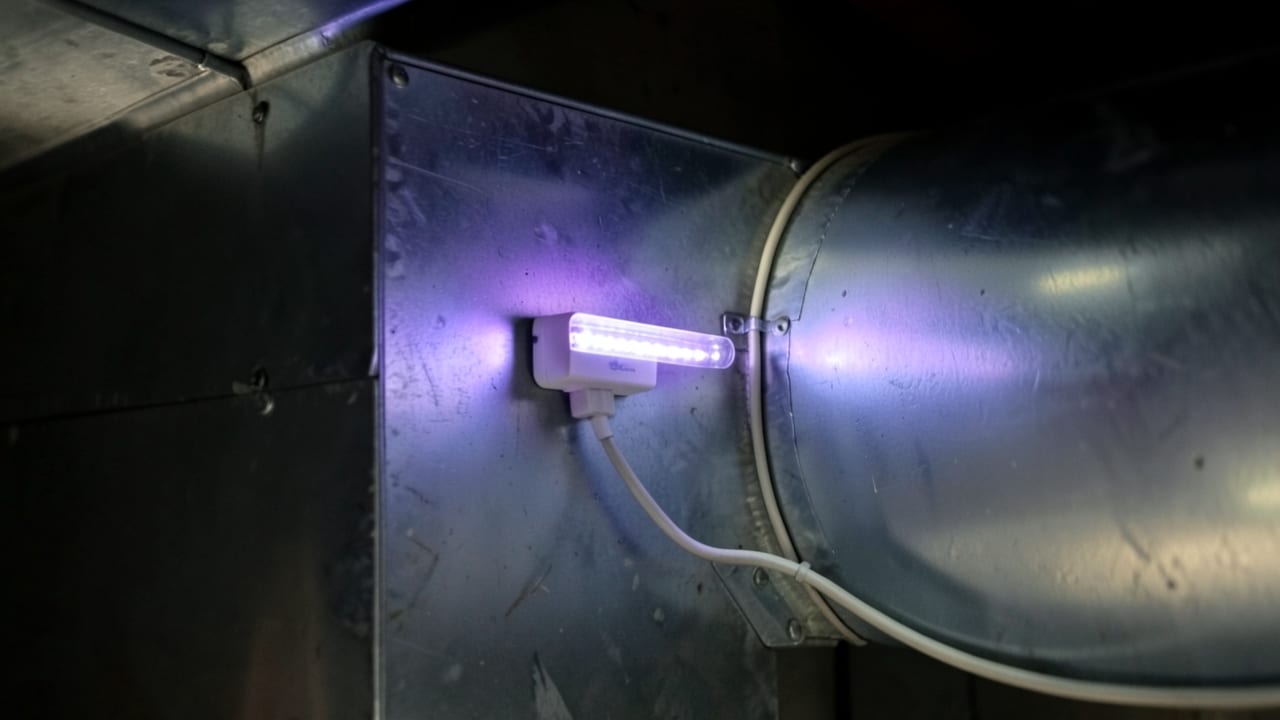
UV Light & Sanitization Treatment in LaGrange, GA
UV-C light installation and duct sanitization treatment in LaGrange, GA — an ongoing defense against microbial growth on the evaporator coil.
Learn More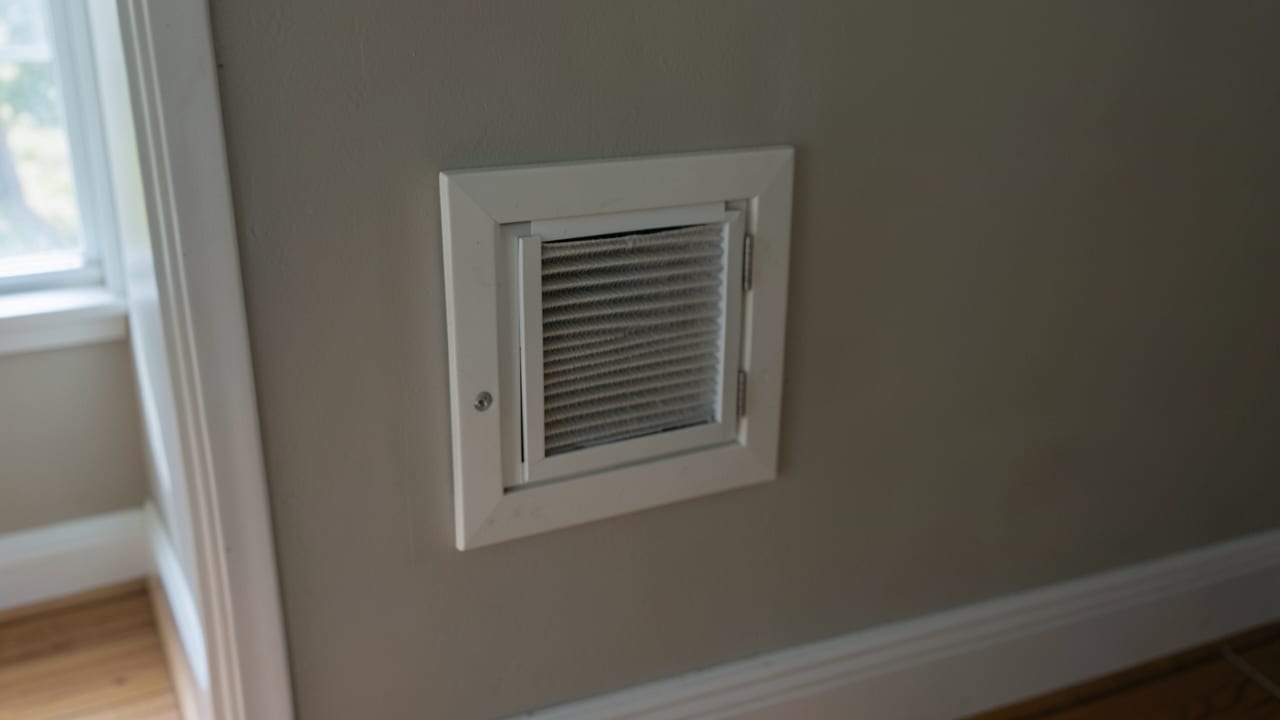
Air Filter Replacement in LaGrange, GA
Air filter replacement and MERV-rating guidance in LaGrange, GA, matched to household needs and system airflow limits.
Learn More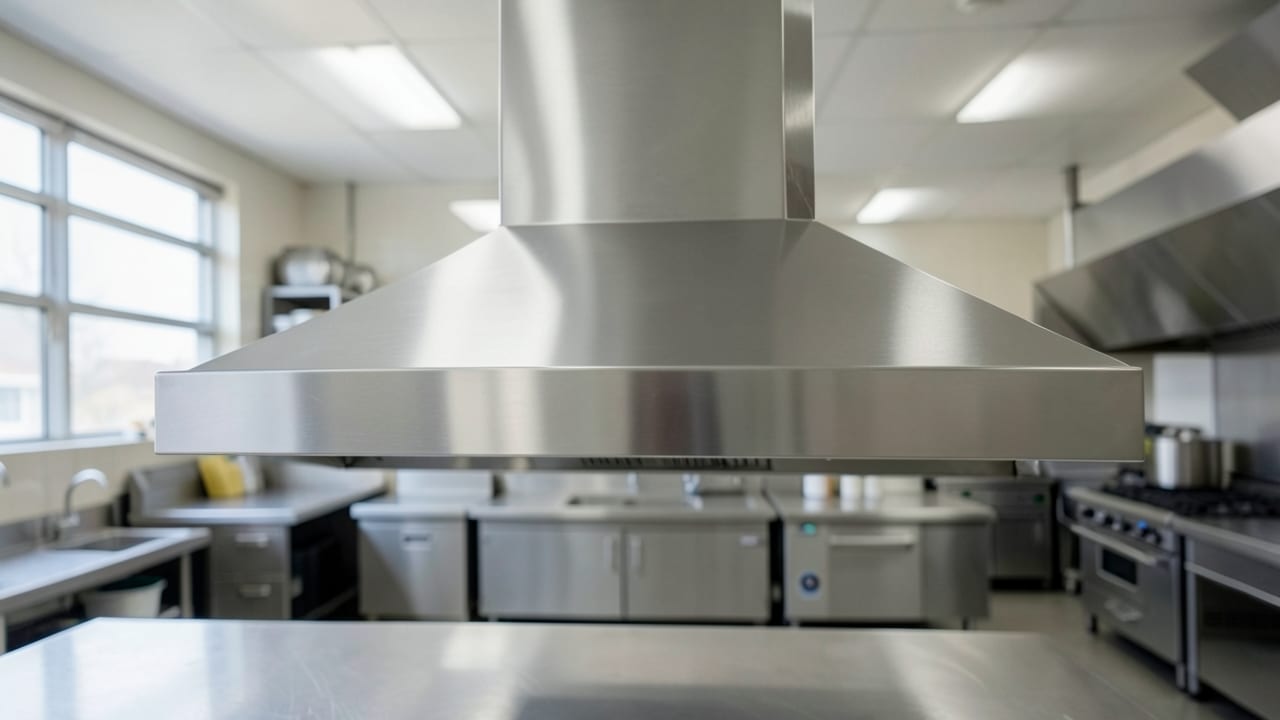
Kitchen Exhaust Hood Cleaning in LaGrange, GA
Commercial and residential kitchen exhaust hood cleaning in LaGrange, GA — removes grease buildup from hoods, filters, and ductwork.
Learn More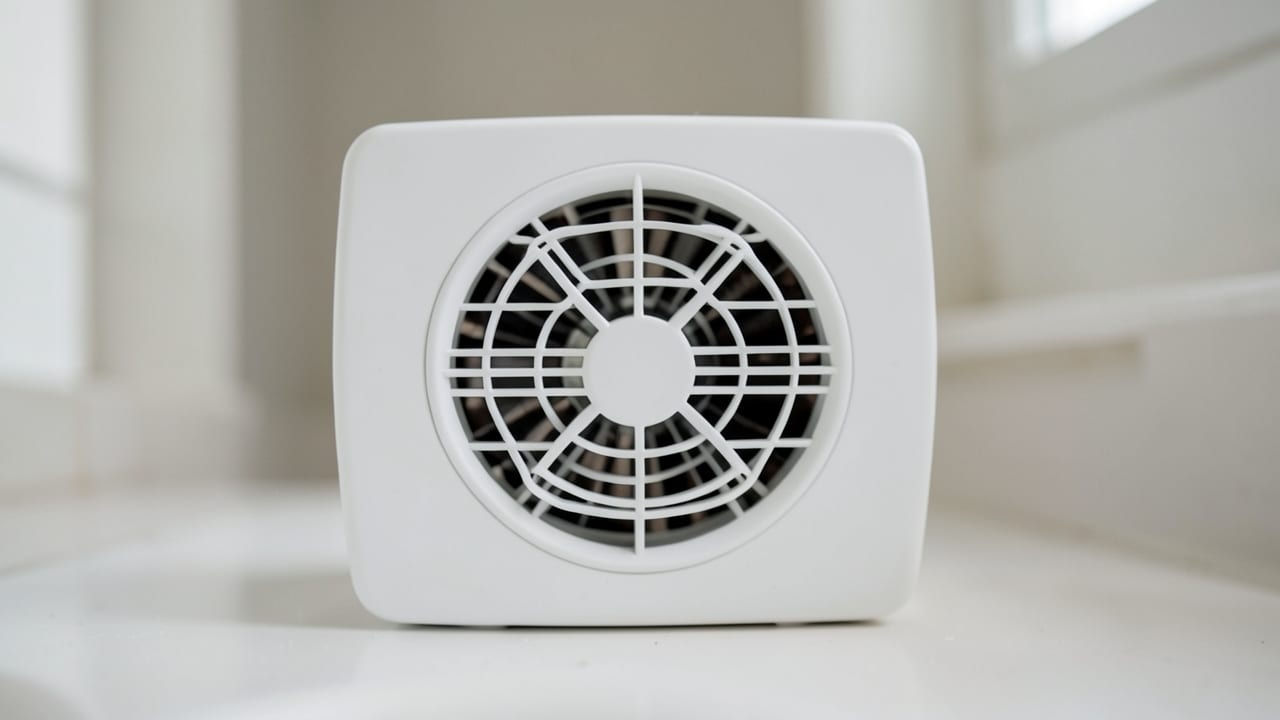
Bathroom Exhaust Fan Cleaning in LaGrange, GA
Bathroom exhaust fan cleaning in LaGrange, GA clears dust and lint from the fan housing and vent run, restoring proper airflow.
Learn More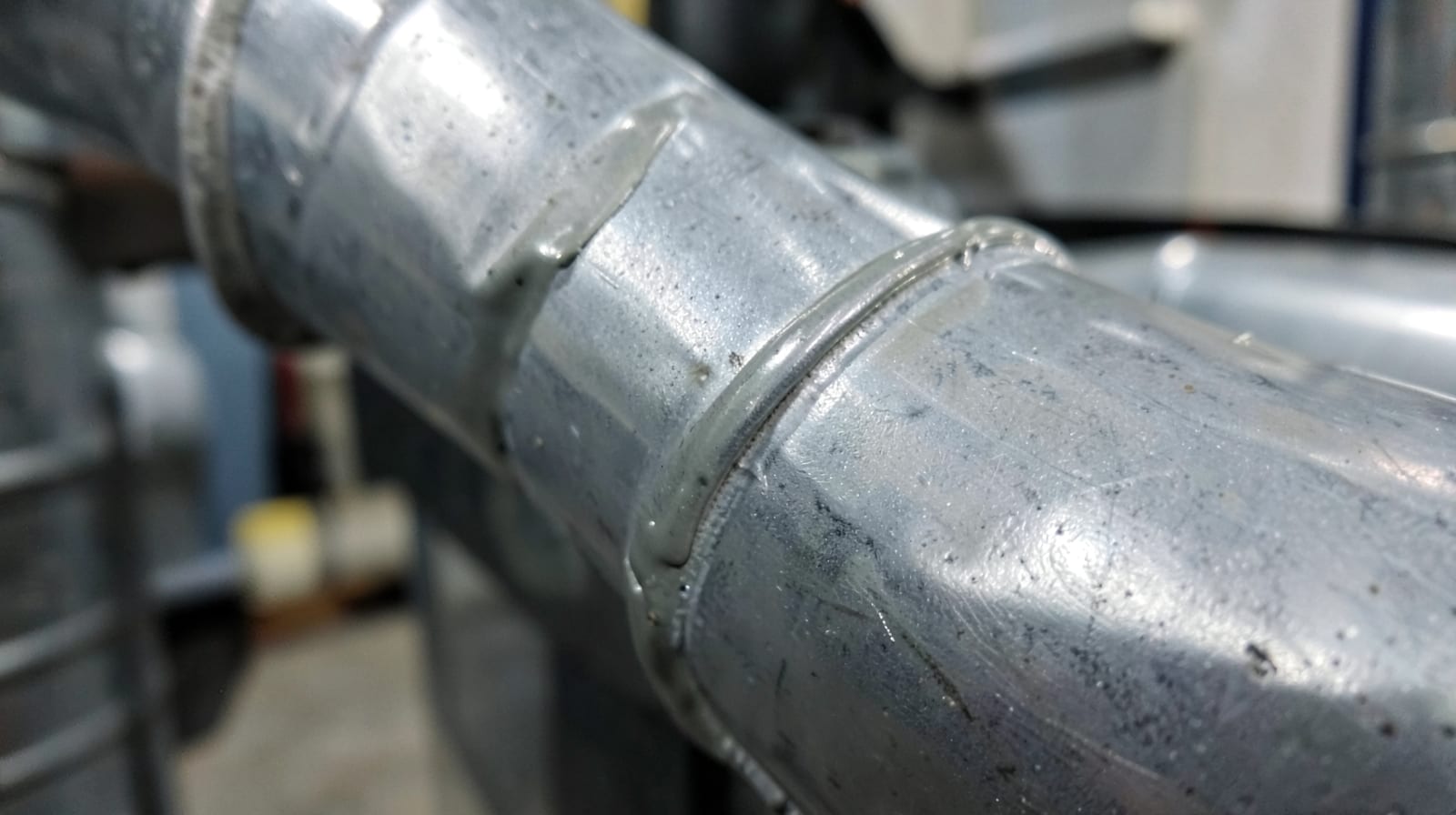
Duct Sealing in LaGrange, GA
Duct sealing in LaGrange, GA closes leaks in supply and return ductwork that waste conditioned air and strain the HVAC system.
Learn MoreCommon Questions About Air Duct Cleaning in LaGrange
Everything you need to know about air duct cleaning services in LaGrange
How much does Return Vent Cleaning typically cost in LaGrange, GA?
Does seasonal pollen make duct cleaning more relevant in LaGrange, GA?
Can duct cleaning damage older or fragile ductwork?
Does duct cleaning include the coils and blower compartment, or only the ducts themselves?
What's the real difference between flat-rate and per-vent air duct pricing?
How often should air ducts actually be cleaned?
Need Air Duct Cleaning in LaGrange?
Get a written quote from our LaGrange crew.
⏰ We answer your call • Serving all of LaGrange and surrounding areas