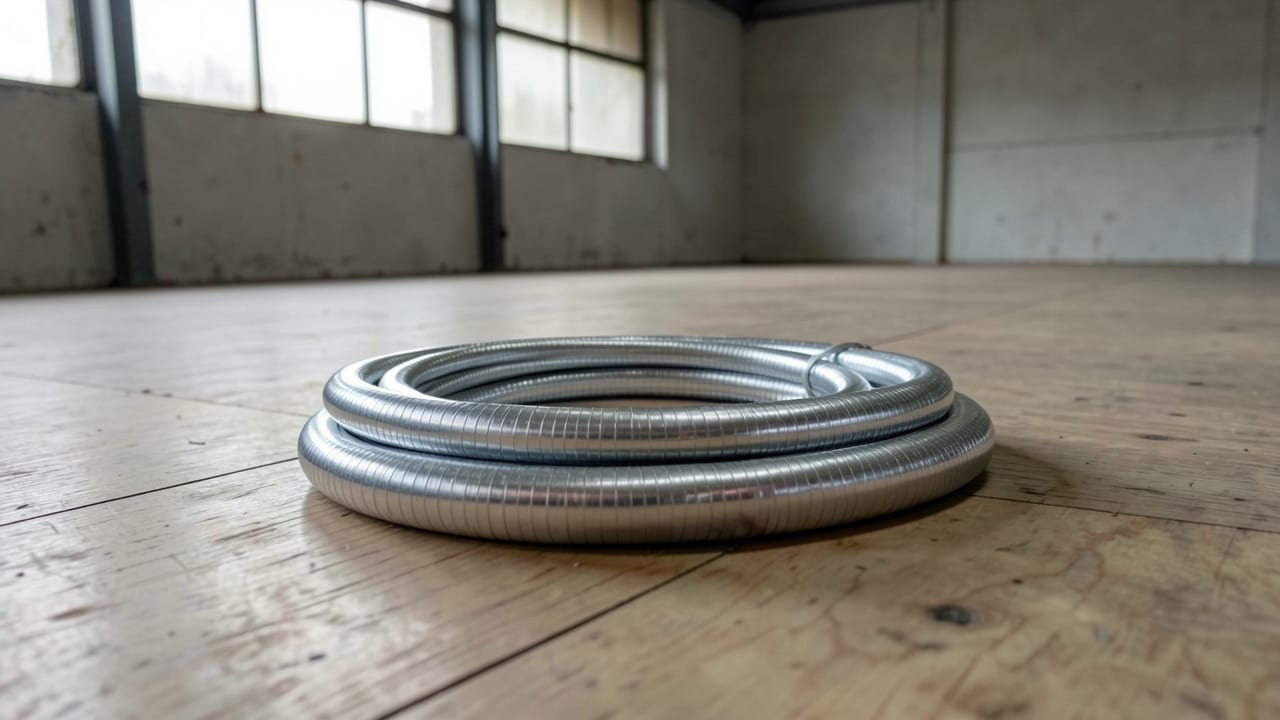
Flex Duct Cleaning
Professional cleaning of flexible ductwork to remove dust, debris, and contaminants from HVAC systems.
Flex duct cleaning in LaGrange, GA targets the flexible ductwork in your home’s HVAC system, where dust, mold, and allergens accumulate over time.
This service improves indoor air quality and system efficiency by removing blockages and buildup that restrict airflow, helping your home’s air feel cleaner and your system run more effectively.
We also handle Duct Sealing and Furnace & Vent Cleaning for LaGrange properties.
Signs your flex ducts need cleaning
Flex duct issues often reveal themselves through visible or olfactory clues in your living spaces rather than inside the ducts themselves. For example, a puff of dust when your HVAC system first turns on—or dust resettling on furniture within days of cleaning—can indicate dust is still circulating through the ducts.
Similarly, a musty or stale smell that fades once the system shuts off often points to biological growth or trapped debris inside the ductwork.
Another common sign is a room that collects dust noticeably faster than others, especially if the dust appears near supply vents. A fine gray film or visible buildup on register grilles that reappears quickly after cleaning is a direct indicator of what’s happening just inside the duct behind it.
These signs suggest your flex ducts may be actively redistributing contaminants rather than simply settling dust on their own.
Common Signs of Dirty Flex Ducts
- Dust puffs or resettles on furniture within days of cleaning
- Musty or stale smell that fades when the HVAC system is off
- A room collects dust faster than others, particularly near vents
- Visible buildup or gray film on register grilles that reappears quickly
- Reduced airflow or weak circulation from supply vents
What affects pricing and timing?
The cost and frequency of flex duct cleaning depend on factors like the size of your home, the extent of buildup, and the method used.
Most homeowners in the LaGrange area pay between $290 and $530 for a whole-house cleaning, but this can vary based on whether the service includes trunk lines, coils, or blower components. Some providers charge per vent, while others offer a flat rate—always clarify the pricing model before comparing quotes.
How often you need this service depends more on your household’s specific conditions than a fixed schedule. Homes with pets, allergies, or poor air filtration may require cleaning more frequently, while others may go longer between services.
Regularly changing your air filter (every 1–3 months) and sealing duct gaps also help slow down buildup between cleanings.
What to watch for during service
Not all duct cleaning methods are equal, and some risks can turn a routine service into a larger issue. For example, skipping the step of sealing off unused registers during cleaning can cause dislodged dust to blow straight into your living spaces instead of being captured.
Similarly, aggressive brushing or air whips can disconnect loose flex duct sections, sending conditioned air into wall cavities or attics rather than your rooms.
Another concern is the use of moisture-based treatments or biocides inside ducts without proper drying afterward. This can create a damp environment that promotes new microbial growth, potentially worsening indoor air quality. Always ask your service provider about their methods and whether they include inspections to verify results.
Unsealed registers during cleaning can spread dust throughout your home. Aggressive agitation may disconnect flex duct sections, redirecting airflow. Moisture treatments without drying can encourage mold regrowth.
How flex duct cleaning works
This service follows a structured process to safely and effectively remove buildup from your home’s flex ductwork.
- 1System Inspection
A camera or mirror is used to inspect supply and return ducts, identifying where dust, debris, or biological growth is concentrated. This step ensures cleaning is targeted where it’s needed most.
- 2Register and Vent Sealing
Unused registers are sealed off, and a negative-pressure collection unit is connected to the system. This prevents dislodged dust from blowing into living spaces during cleaning.
- 3Mechanical Agitation
A rotary brush or compressed-air whip is run through each duct to loosen settled dust and debris. This step is critical for removing buildup that suction alone cannot dislodge.
- 4HEPA Vacuum Extraction
Dislodged material is pulled into a HEPA-filtered collection system, capturing fine particulate on-site rather than releasing it back into the air.
- 5Airflow Verification
After reassembling the system, airflow at multiple registers is checked to confirm circulation has improved. This ensures the cleaning was effective and didn’t just move dust around.
Frequently asked questions
How do I know if my flex ducts are dirty enough to clean?
Look for signs like dust puffs when your HVAC turns on, musty smells that fade when the system is off, or rooms that collect dust faster than others. A visible buildup on register grilles that reappears quickly is another clear indicator.
Can flex duct cleaning help with allergies or respiratory issues?
Removing dust, mold, and allergens from your ducts can improve indoor air quality, which may help reduce allergy or respiratory symptoms. However, results vary depending on the source of contaminants in your home.
How often should I have my flex ducts cleaned?
There’s no one-size-fits-all answer—it depends on factors like pets, allergies, and air filtration habits. Homes with heavy dust or allergens may need cleaning every 2–3 years, while others may go longer.
Will cleaning my ducts make my HVAC system more efficient?
Clearing blockages and buildup can improve airflow, which may help your system run more efficiently. However, efficiency gains depend on the initial condition of your ducts and system.
Where LaGrange sits, and what the Census lists nearby
LaGrange sits in Georgia, and the closest places listed in the U.S. Census Gazetteer are West Point (10.7 miles southwest), Standing Rock, AL (12.4 miles west), Hogansville (12.5 miles northeast), Glenn (13.2 miles northwest). Within 25 miles of LaGrange the same source lists 25 distinct incorporated places and census-designated places.
Those figures matter for flex duct cleaning because they are straight-line distances between Census coordinate points: road mileage between LaGrange and West Point runs longer than the 10.7 miles shown, which is why quotes for the same job differ between towns that look close together on a map.
Source: U.S. Census Bureau Gazetteer.
See Antioch, GA for more, or browse what's included in our LaGrange service at a glance for our complete lineup.
Ready to get started?
Talk to a local air duct cleaning pro in LaGrange — get a written quote.
Other Air Duct Cleaning Services in LaGrange
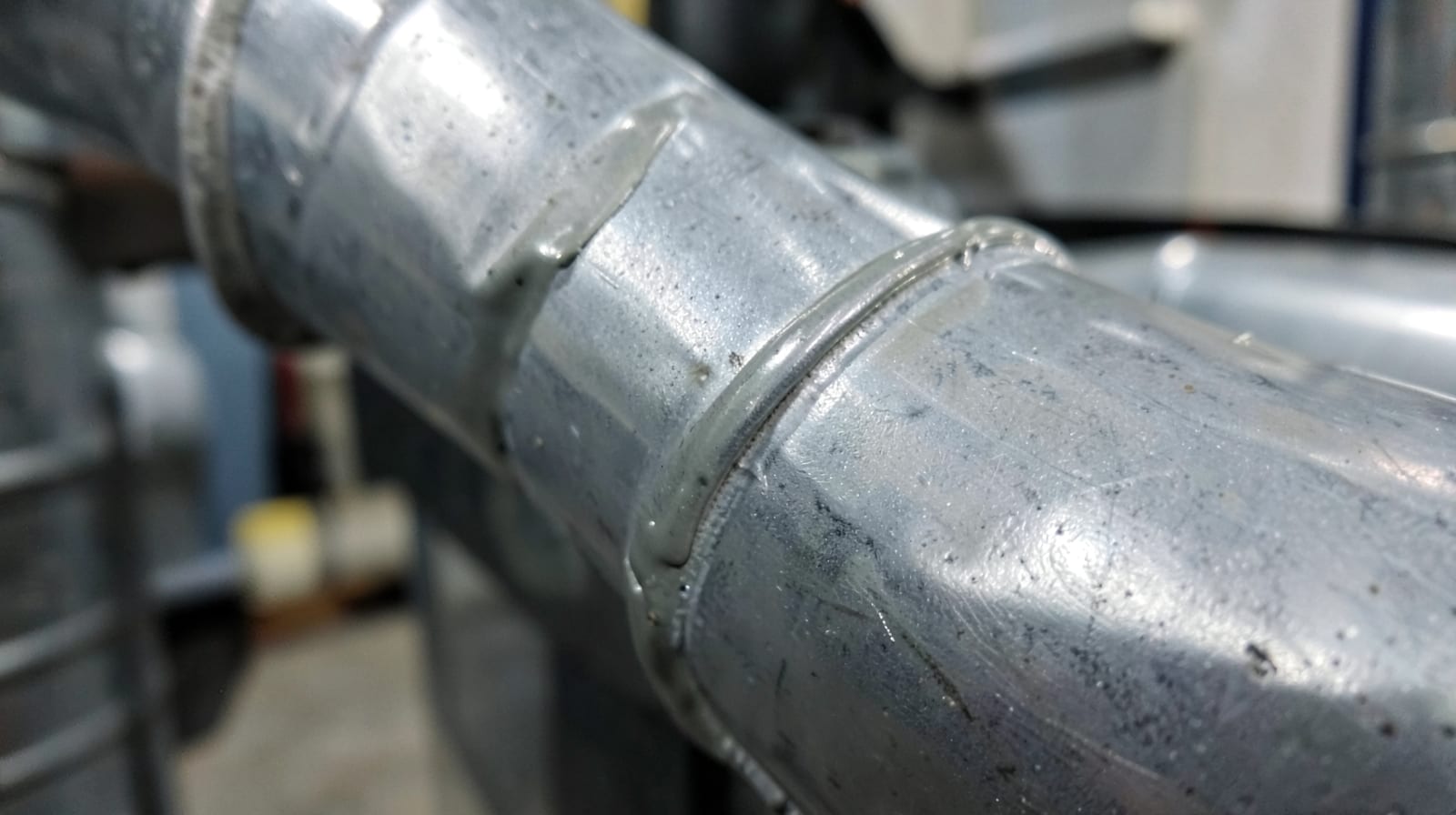
Duct Sealing in LaGrange, GA
Duct sealing in LaGrange, GA closes leaks in supply and return ductwork that waste conditioned air and strain the HVAC system.
Learn More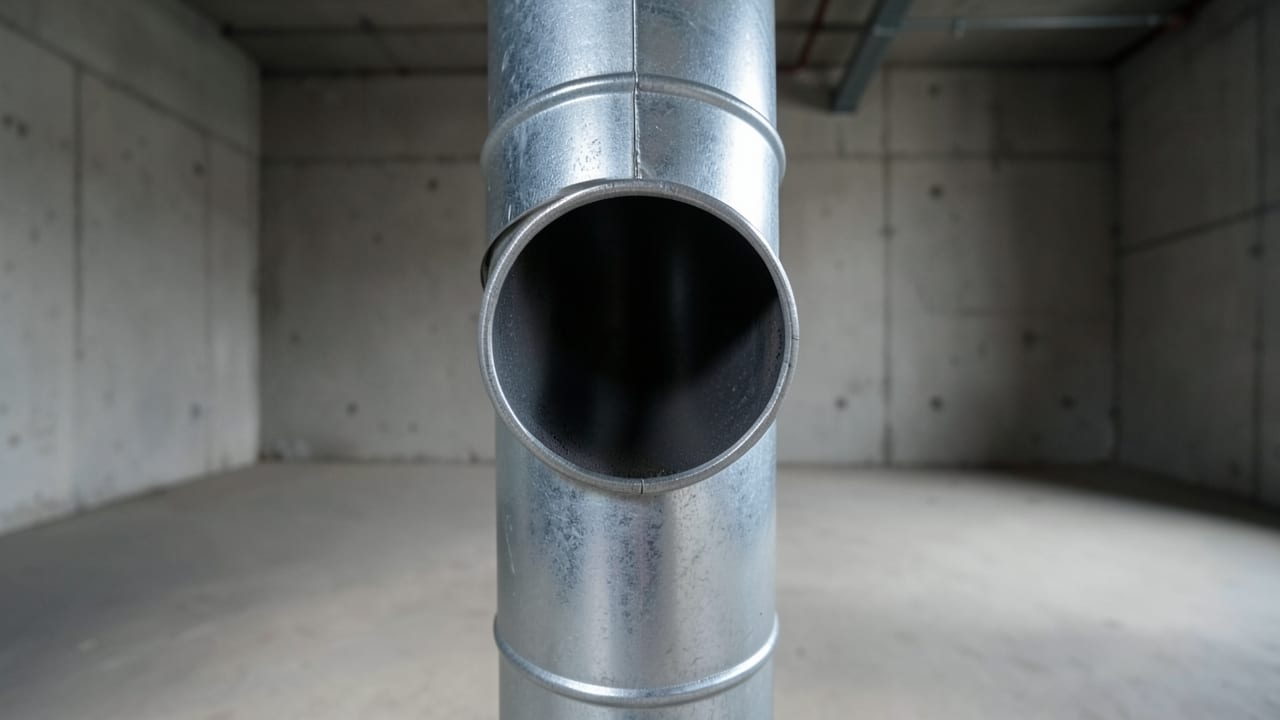
Furnace & Vent Cleaning in LaGrange, GA
Furnace and vent cleaning in LaGrange, GA clears the burner compartment, blower, and venting of dust and combustion byproducts.
Learn More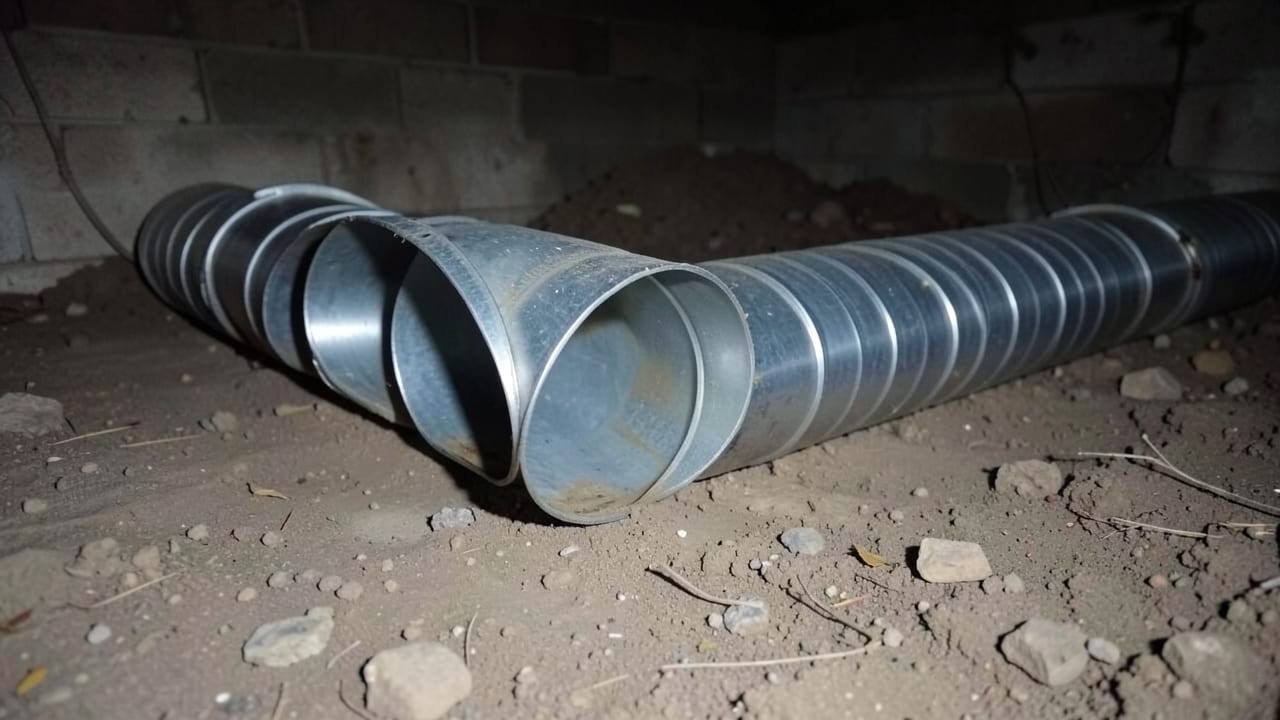
Crawl Space Duct Cleaning in LaGrange, GA
Professional cleaning of ductwork in crawl spaces to improve airflow and indoor air quality.
Learn More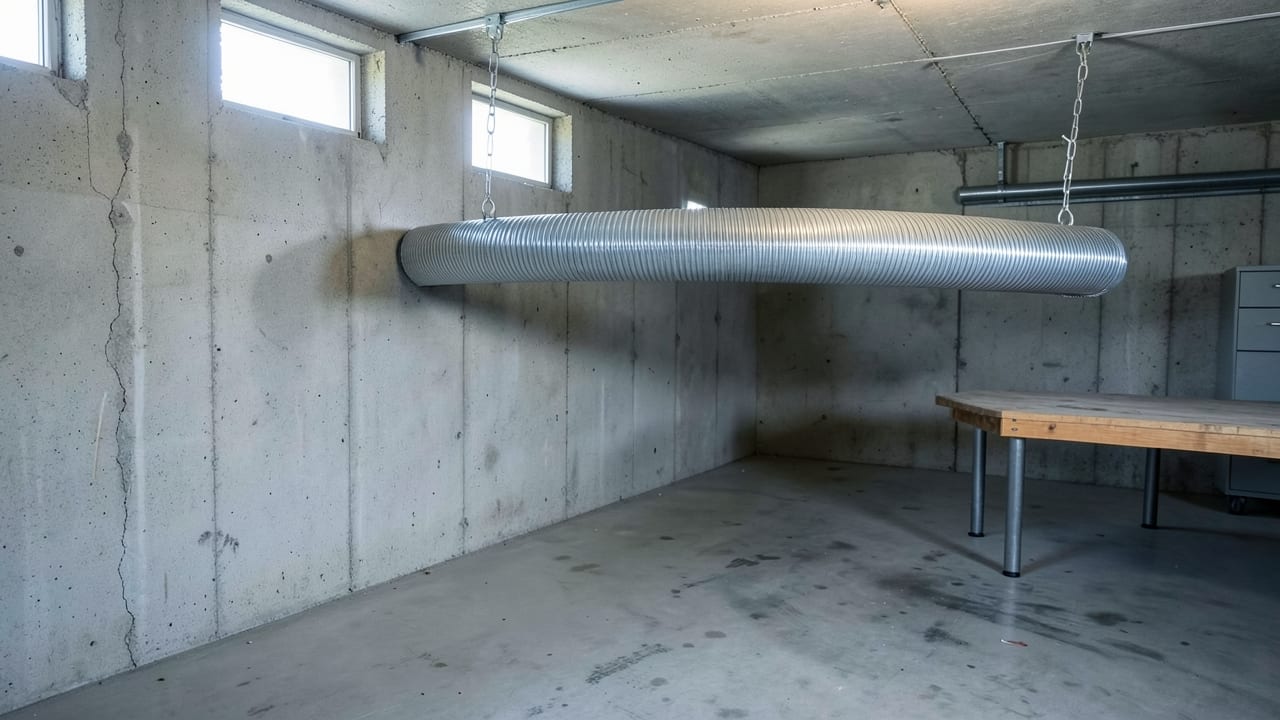
Garage Duct Cleaning in LaGrange, GA
Professional cleaning of garage air ducts and HVAC components to improve airflow and indoor air quality.
Learn More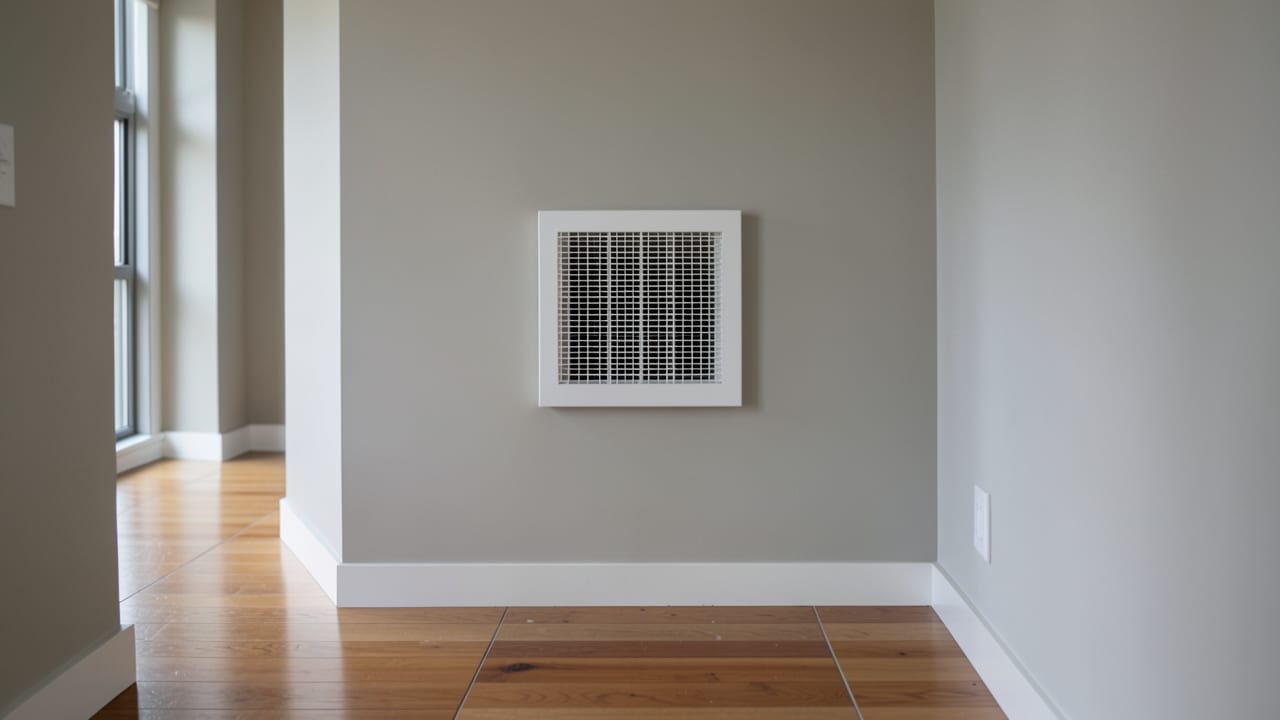
Return Vent Cleaning in LaGrange, GA
Professional cleaning of return vents to improve HVAC airflow and indoor air quality.
Learn More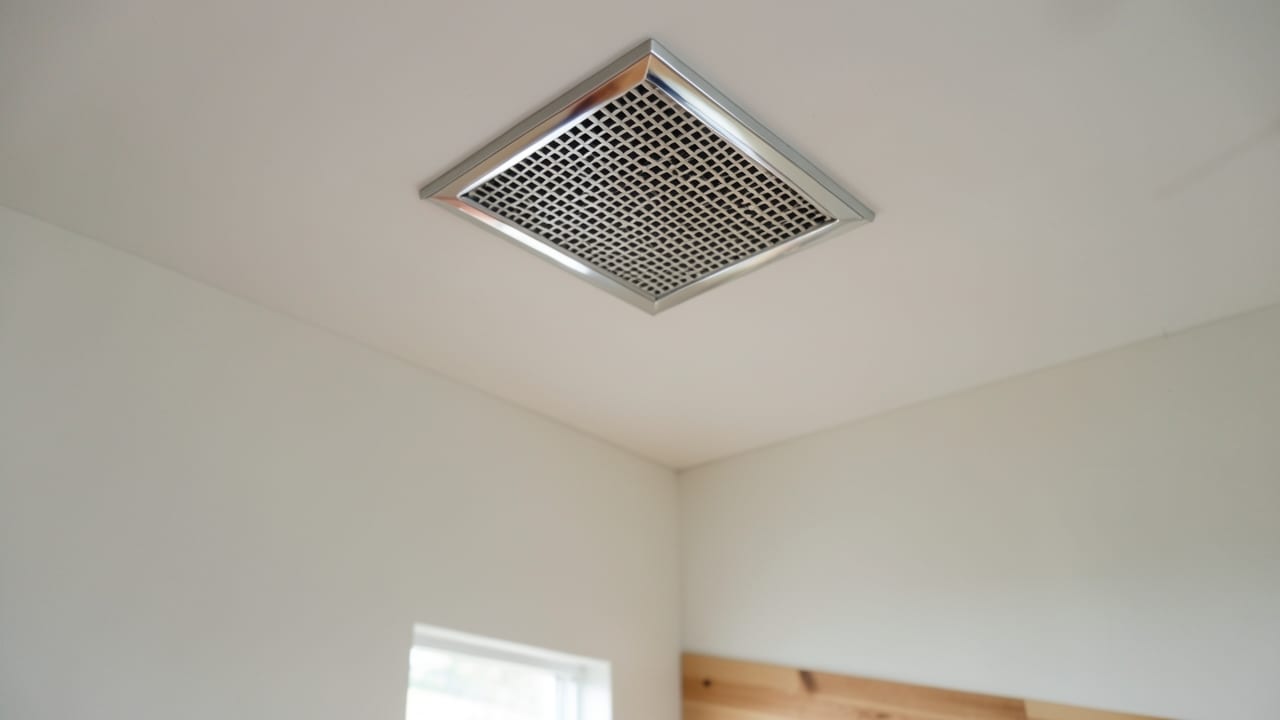
Supply Vent Cleaning in LaGrange, GA
Professional cleaning of supply vents to improve airflow and indoor air quality in HVAC systems.
Learn MoreCommon Questions About Air Duct Cleaning in LaGrange
Everything you need to know about air duct cleaning services in LaGrange
How much does Flex Duct Cleaning typically cost in LaGrange, GA?
Does seasonal pollen make duct cleaning more relevant in LaGrange, GA?
Can air ducts be cleaned with a household vacuum instead of hiring it out?
Is duct cleaning ever covered by a home warranty or insurance policy?
What's the actual difference between duct cleaning and dryer vent cleaning?
Does the cleaning process release dust into the rest of the home?
Need Air Duct Cleaning in LaGrange?
Get a written quote from our LaGrange crew.
⏰ We answer your call • Serving all of LaGrange and surrounding areas